Travel guides · updated 23 November 2026
Winter in Russia: what to wear and how cold it really gets (2026)
A Russian winter is cold, but it is a dry cold, and Russians live normally in it: they dress well, they keep moving, and indoors it is warm, sometimes too warm. If you dress the way they do, a winter trip is comfortable. The two real dangers for visitors are not the cold itself but wet feet and icy pavements.
How cold is it?
Typical January daytime temperatures, with colder snaps that can last a week:
- Moscow: around -5 °C to -10 °C, sometimes -20 °C to -25 °C.
- St Petersburg: around -5 °C, humid and windy, which feels colder.
- Kazan: around -10 °C to -15 °C.
- Murmansk: around -10 °C, softened by the Gulf Stream, but windy and dark.
- Irkutsk and Lake Baikal: -15 °C to -25 °C, often sunny.
- Yakutsk: -35 °C to -45 °C, the coldest city in the world.
Snow usually covers Moscow from December to March. In recent winters Moscow and St Petersburg have also had long grey spells around zero, with slush: dress for both.
The layer system
- Base layer: thermal underwear, merino wool or synthetic. Never cotton: it stays wet.
- Middle layer: a wool jumper or a fleece.
- Outer layer: a down or synthetic parka that covers your hips, with a hood. Windproof matters more than thick.
- Trousers: in cities, normal trousers over thermal leggings. For Baikal, Murmansk or Siberia, ski trousers or insulated trousers.
Layers matter because you will go in and out all day: metro, museums, cafés and shops are heated to 22 °C or more. Open your coat and take off your hat inside, or you will sweat and then freeze outside.
Feet: the most important part
- Waterproof winter boots with thick, grooved soles, one size bigger than your usual size so wool socks fit and blood flows.
- Two or three pairs of wool socks, so you always have a dry pair.
- Slip-on spikes or ice grips: cheap and very useful on icy pavements, especially in St Petersburg and in the north. Many falls in Russian cities happen on ice under fresh snow.
City streets are cleared and salted, which means slush and salt marks. Leather shoes do not survive; avoid them.
Head and hands
- A warm hat that covers your ears. Russians wear one from November to March, and they will tell you so.
- A scarf or a buff to cover your face in the wind.
- Mittens are warmer than gloves. For phone use, wear thin touchscreen gloves under them.
- Lip balm and a rich hand cream: the air is very dry, indoors and out.
Phones, cameras and batteries
Batteries drop fast below -10 °C. Keep your phone in an inside pocket, carry a power bank, and warm the phone before charging it. For long outdoor nights (Baikal ice, northern lights), bring hand warmers and keep spare camera batteries against your body.
Packing list for a winter trip
- Parka with hood, fleece or wool jumper, thermal top and leggings (two sets)
- Waterproof winter boots, ice grips, wool socks
- Hat, scarf or buff, mittens and thin gloves
- Sunglasses for snow and ice, sunscreen for Baikal or the mountains
- Lip balm, hand cream, power bank
- A small backpack, so your hands stay free on ice
Can you buy it there?
Yes. Many Western brands have left, but Russian shops and chains sell good winter clothes at fair prices, and outdoor stores have everything for Siberia. Markets sell valenki (felt boots) and fur hats. Pay in cash or with a Mir card, as everywhere in Russia.
Where winter is worth it
- Moscow and St Petersburg under snow, and the New Year holidays.
- The ice of Lake Baikal, from mid-February to mid-March.
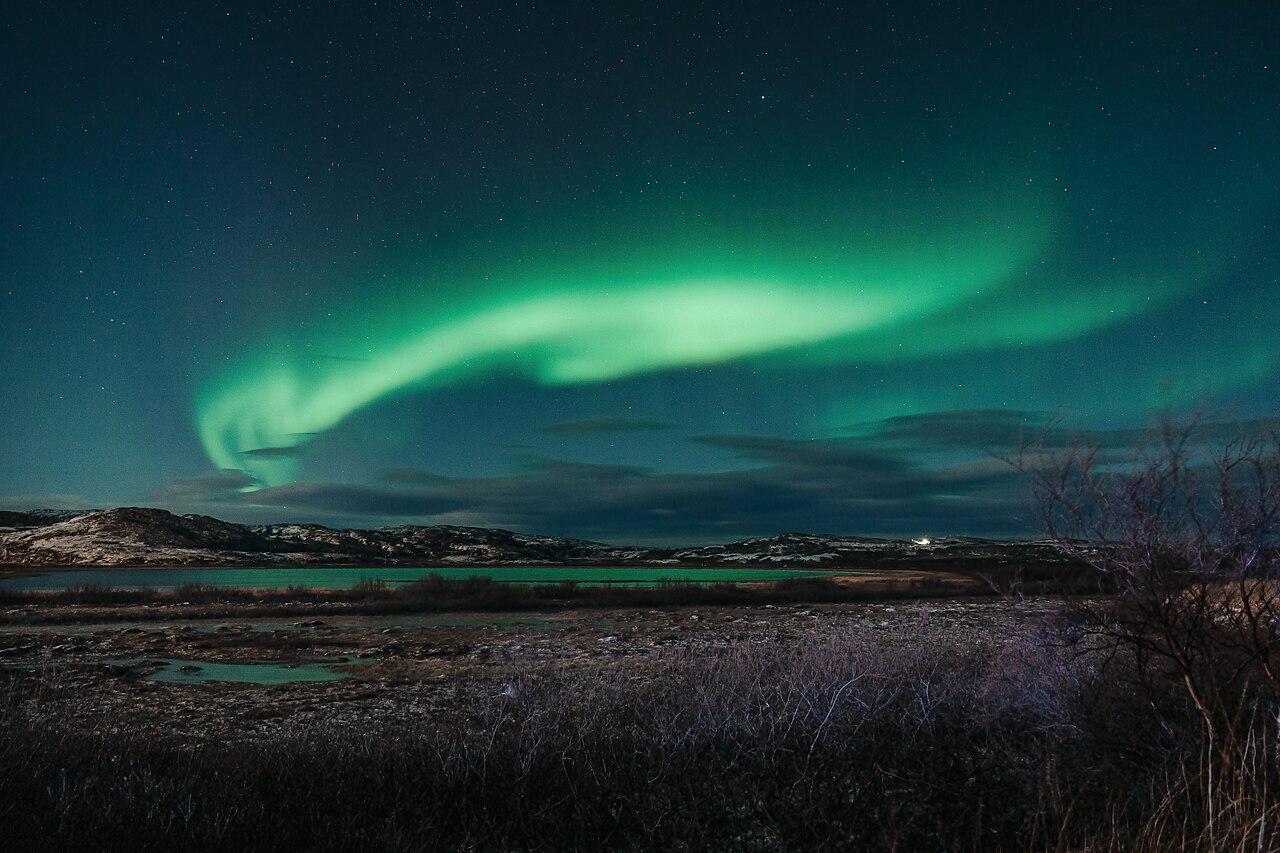
- The northern lights in Murmansk.
- A Russian banya after a day outside, the best way Russians know to warm up.
Booking a winter trip on Davaï Trip
In winter, short days and cold make a guide and a driver more useful than ever: less waiting outside, warm cars between sights. On Davaï Trip you can book a private guide, an airport transfer and a hotel, paying a small deposit online with your own card and the rest on the spot.